
A measurement-based diagnosis
We map floor elevations and relate visible cracking to actual movement, so recommendations are based on what's happening structurally, not guesswork.
Serving Austin, Texas & surrounding areas
Get a clear diagnosis, a written repair plan, and lasting stabilization for pier-and-beam or slab foundations. Our Austin team explains what's happening, what it takes to fix it, and what it should cost before work begins.
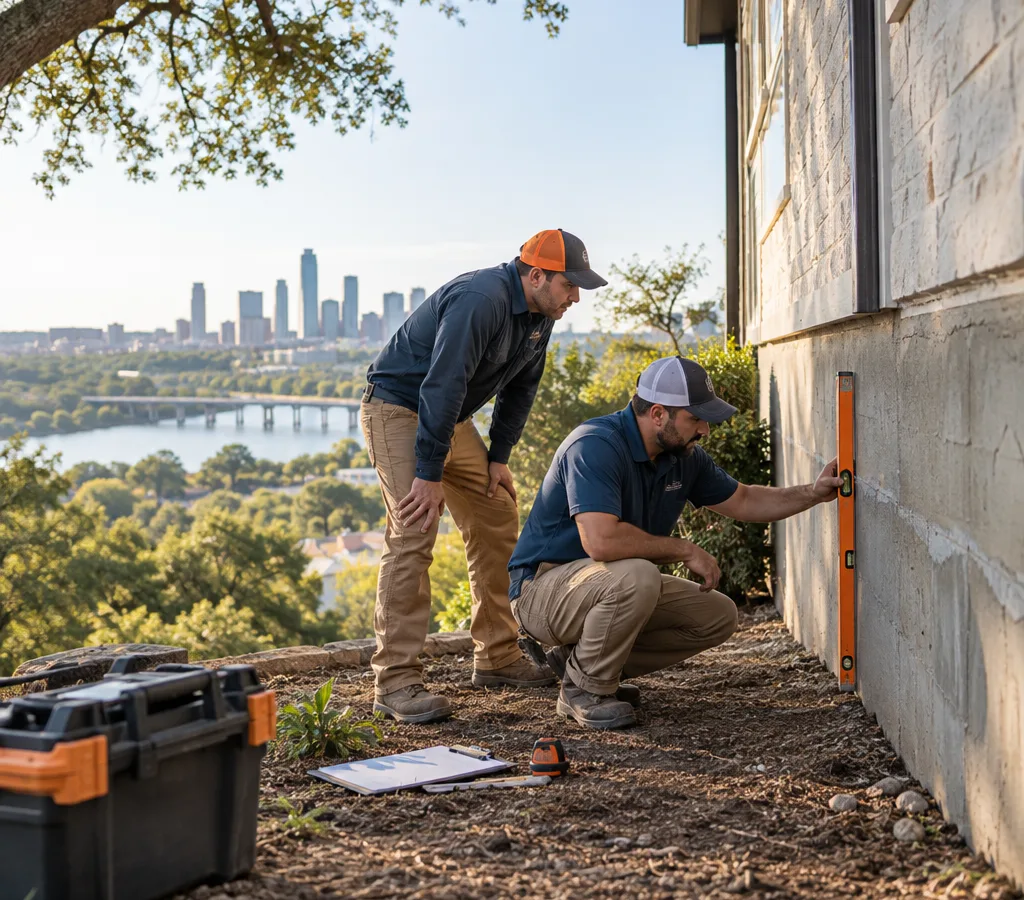
If you're searching for the best foundation repair Austin has to offer, start by looking for an inspection process that separates symptoms from causes. Sticking doors, cracks in drywall, sloping floors, and gaps at trim can come from foundation movement, but they can also be tied to framing, drainage, or localized soil changes. A good foundation contractor in Austin explains what they see, how they measured it, and what repair method matches the structure.
At Foundation Repairs Austin TX, our goal is simple: stabilize the home and document the plan. You should leave the inspection with a written scope, the locations of proposed piers or other supports, what will and won't be lifted, and how the work will be verified when it's done.
Austin homes vary widely by age and construction style. You'll see pier-and-beam in many older neighborhoods closer to the urban core, and lots of slab-on-grade in newer subdivisions. Both can be repaired, but the right approach depends on access, utility routing, soil conditions at the lot, and how movement shows up across the structure.
Foundation issues usually show up in patterns. During an inspection, we look for where the structure is dropping, where it's heaving, and whether the movement is active.
What we commonly see:
Austin's weather swings between heavy rain events and hot, dry stretches. Those moisture changes can make soils expand and shrink, which is one reason a repair plan often includes recommendations for drainage and water management around the home.
We work across Austin, including areas like South Austin, where lots and drainage paths can vary from street to street, and North Austin neighborhoods with newer slabs and tight utility corridors that require careful pier placement and excavation planning.
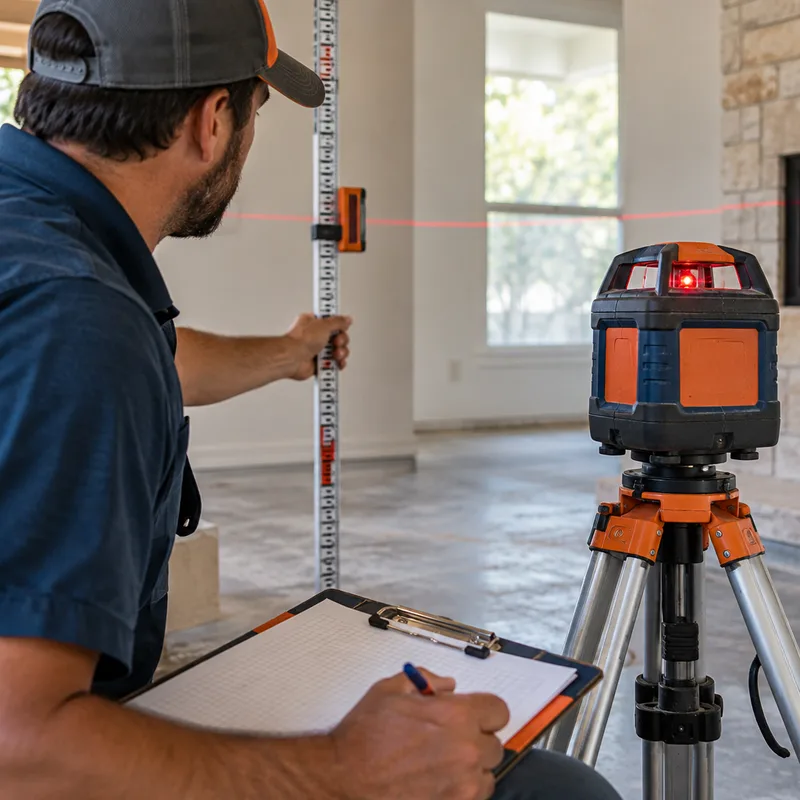
We map floor elevations and relate visible cracking to actual movement, so recommendations are based on what's happening structurally, not guesswork.
Slab and pier-and-beam repairs can use different systems and access methods. We explain why a method fits your foundation type and conditions.
You should be able to see where work is proposed, what areas will be stabilized, and what limitations exist for lifting and cosmetic cracking.
Foundation work involves digging, equipment, and utilities. Good jobsite control, protection of landscaping where possible, and safe practices matter.
Foundation repair is a major project. The proposal should spell out what's included, what's excluded, and what warranty coverage applies.
A quality job ends with documented results such as final elevations and a walkthrough of what changed and what you may still notice as the home settles.
The phrase “best foundation repair in Austin” should mean the method matches the structure and the soil conditions, not a one-size-fits-all system.
Common approaches you may hear during an estimate include:
A reliable contractor will also discuss site conditions that affect long-term performance. That can include perimeter drainage improvements, downspout extensions, and grading corrections. Those items may be part of the repair scope or listed as recommendations, but they should be addressed either way because water management is tied directly to foundation behavior.
If you're still narrowing down contractors, start with the overview of our foundation repair in Austin TX service area and what we look for during an inspection.
A measured, documented process keeps the work focused on lasting stability and makes the expected result clear before excavation begins.
We review visible symptoms, take measurements, and identify the likely movement pattern. For pier-and-beam, we also assess crawlspace access and components.
You receive a clear repair recommendation with the method, proposed locations, access needs, and what results are realistic for lifting and crack closure.
Before digging, we plan access, confirm constraints, and coordinate around utilities and landscaping. We keep disruption focused on the areas that need support.
We install the agreed supports and lift where appropriate in controlled increments. The goal is stability first; cosmetic improvements are secondary and vary by home.
We review what was done, document outcomes, and talk through what to watch for afterward, including minor door adjustments or drywall touch-ups that can follow leveling.
Foundation repair in Austin typically ranges from about $3,500 to $15,000+, with smaller, localized stabilizations sometimes closer to the low end and larger underpinning or pier-and-beam projects running higher. Pricing depends on how many support points are required, foundation type (slab vs. pier-and-beam), access and excavation conditions, and whether drainage corrections are included. Your exact cost is confirmed after an onsite inspection and a written scope.
“We got a straight explanation of what the measurements meant and a written plan that matched what they did onsite. The crew kept the dig areas tidy and walked us through the final elevations before they wrapped up.”
“Two other bids felt vague. This one showed where the supports would go and what to expect with lifting. The doors stopped sticking and the floors feel more consistent across the house.”
“They didn't promise the moon. They explained what could be stabilized, what cosmetic cracks might remain, and what drainage changes were worth doing after the repair.”
Compare bids by scope detail first, not price. The proposal should state the repair method, how many piers or supports are included, where they'll be installed, what access or excavation is required, and what warranty terms apply; if it's not written down, it's hard to hold anyone to it.
Most foundation repairs take 1 to 5 working days once work begins, depending on access, the number of piers or support points, and whether the foundation is slab or pier-and-beam. Scheduling time before the start date depends on workload and permitting requirements if any apply to your specific scope.
Stabilization and controlled lifting often improves doors and some cracking, but cosmetic repairs are not guaranteed to reverse completely. Many homes need follow-up adjustments like door re-hanging, trim work, or drywall touch-ups after the structure is stabilized.
A warranty is common, but terms vary widely and only matter if the scope is clear. Look for written coverage that states what is warranted, what conditions can void coverage, and what documentation you receive at completion.
Usually, no. Many projects can be completed while you stay in the home, though you may have noise, vibration, and limited access to certain rooms or exterior areas during excavation and lifting.
At minimum, you should get documented observations, a measurement summary such as elevation readings, the recommended method, the number and approximate locations of supports, and a clear list of inclusions and exclusions. A strong estimate also explains realistic outcomes, including limits on lifting and cosmetic results.
Tell us what you're seeing, and we'll schedule an inspection that leads to a clear scope, transparent pricing, and a repair approach that fits your foundation type.