
Measured findings, not guesses
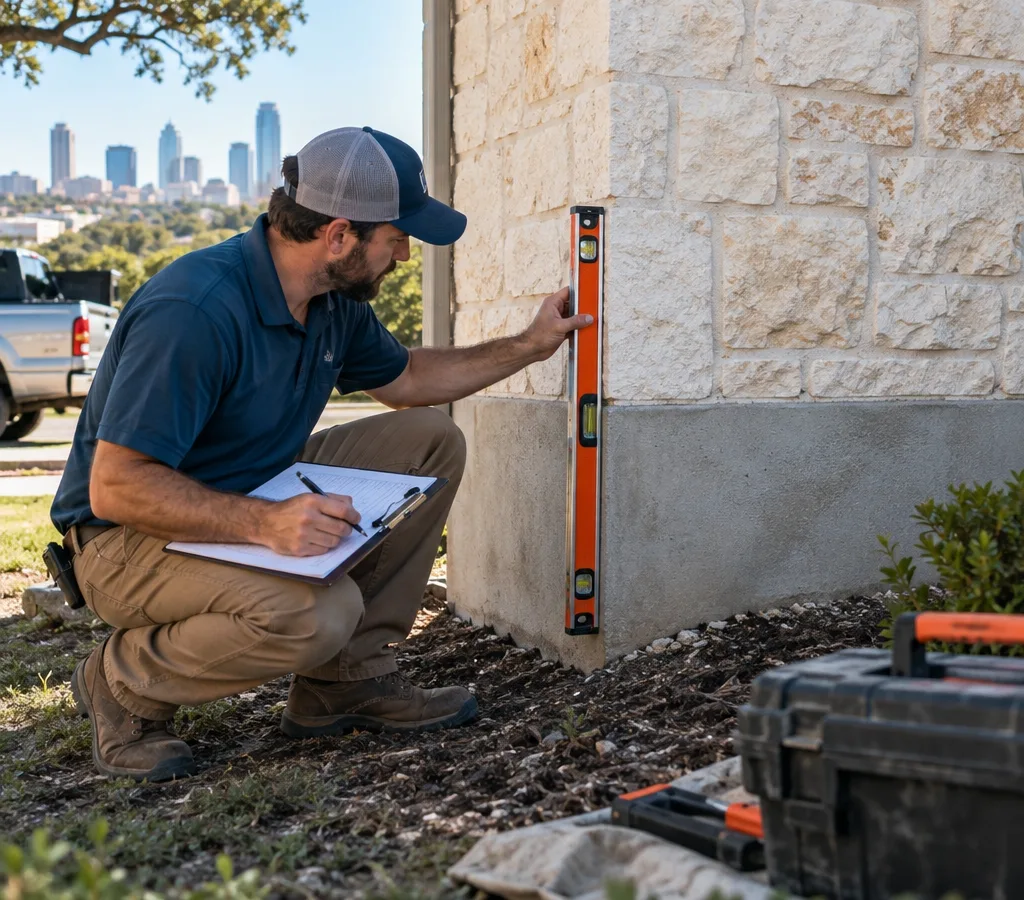
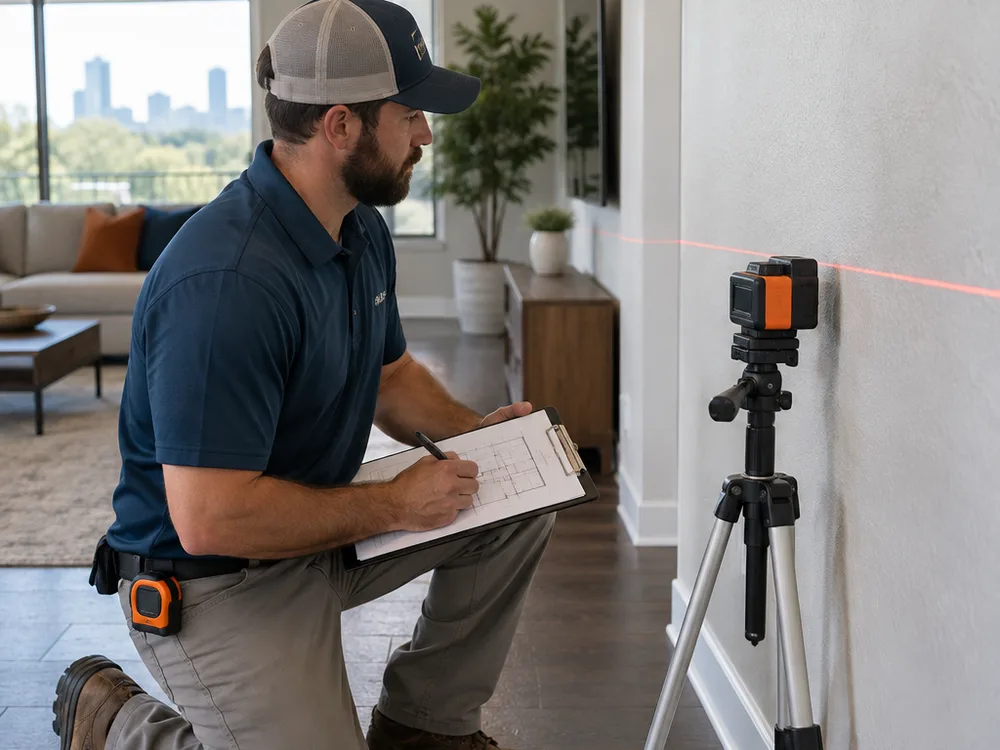
Elevation readings, crack locations, and symptom notes (doors, windows, floors) so the scope ties back to what was observed.
Serving Austin, Texas & surrounding areas
Get a clear price range, the repair options that actually apply to your home, and a written plan you can budget around before work starts.
If you are searching for foundation repair cost Austin, you are usually trying to answer two questions at once: what a repair might cost, and what kind of repair your house actually needs.
In Austin, pricing is shaped less by a single “standard” fee and more by conditions that change from property to property: access around the home, the type of foundation (slab-on-grade vs pier-and-beam), how much movement is measured, and whether water management needs to be addressed at the same time. On top of that, many homes have additions, patios, or garages built at different times, which can affect how a contractor stages and sequences the work.
You will also see cost differences based on how the scope is written. Some estimates focus narrowly on lifting or stabilizing a corner. Others include crack repair, drainage improvements, or follow-up elevation checks. A useful estimate spells out what is included, what is excluded, and what “success” means—for example, stabilizing movement, improving door function, reducing cracking, or meeting a specific elevation tolerance.
Foundation Repairs Austin TX builds pricing around a measured inspection and a written scope so you are not comparing vague numbers that hide different levels of work.
Foundation repair cost in Austin typically ranges from $2,500 to $15,000+, depending on the repair method and how many areas need stabilization. Minor fixes such as small crack repair or localized leveling may fall around $500 to $2,500, while structural stabilization using piers commonly runs $4,000 to $20,000+ when multiple piers and access challenges are involved.
Your final price changes with foundation type, measured elevation change, soil and drainage conditions, access for equipment, interior finish protection, and whether plumbing tests or drainage work are needed. The exact cost is confirmed after an on-site inspection and written scope.
When homeowners ask about foundation repair Austin cost, they are often comparing very different repairs that happen to share the same label. Here are the common scope categories that show up on estimates in Austin, and why their costs vary:
A good estimate makes it obvious which category you are paying for and why that method fits the measurements taken at your home.
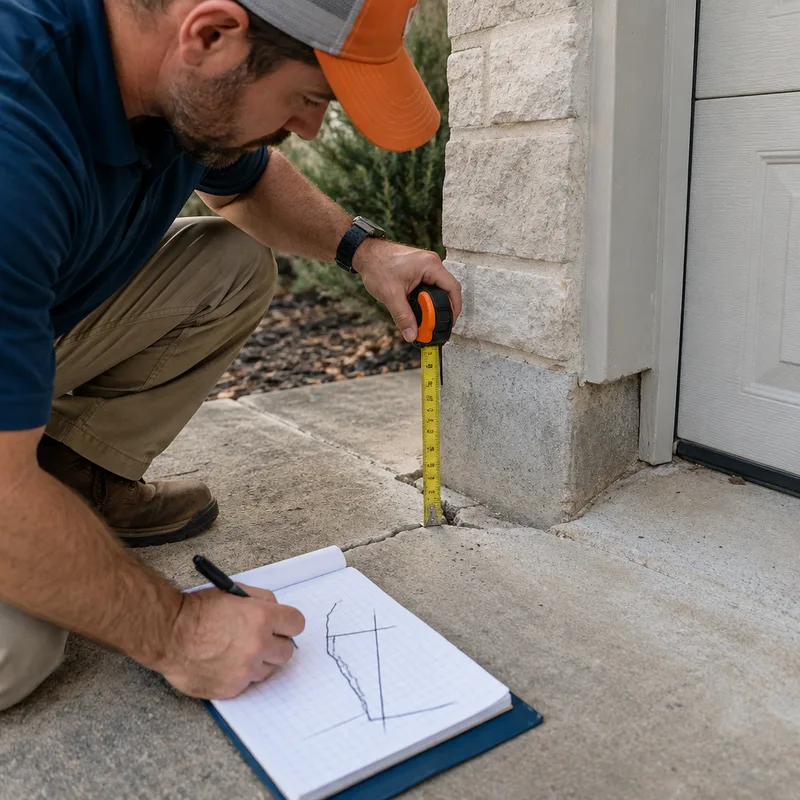
Elevation readings, crack locations, and symptom notes (doors, windows, floors) so the scope ties back to what was observed.
The estimate should explain why the method fits the foundation type and movement pattern, not just list materials.
Counts, locations, and work areas—such as a specific corner or wall line—so you can compare bids without hidden gaps.
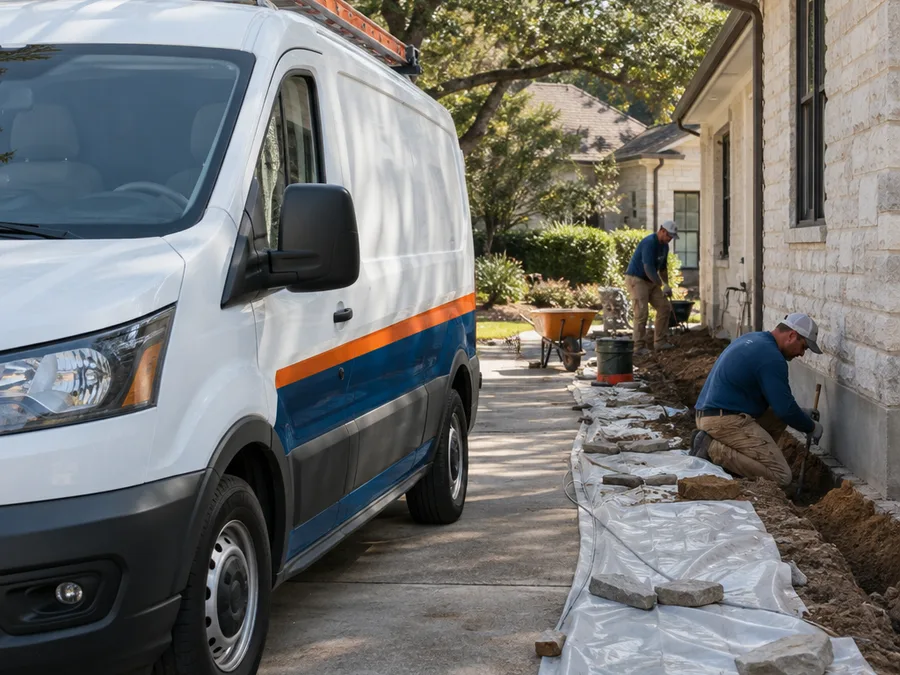
How equipment gets in, what landscaping or fencing may need temporary removal, and what interior protection is planned if work is inside.
What is not included, such as cosmetic drywall repair, plus any inspections or tests recommended before committing.
A measured process connects your home’s conditions to the repair scope, pricing assumptions, and expected outcome.
We review the symptoms you have noticed and take elevation readings where they matter. This keeps pricing tied to real movement and access conditions.
Some homes need stabilization only; others benefit from targeted lift. We explain what each option is designed to accomplish so you can choose based on budget and risk tolerance.
You get a scope that lists the work areas, repair approach, and assumptions that affect price, including access, concrete removal, and interior finishes.
Before work begins, we coordinate access, review what to move or protect, and set expectations for noise, dust, and equipment staging.
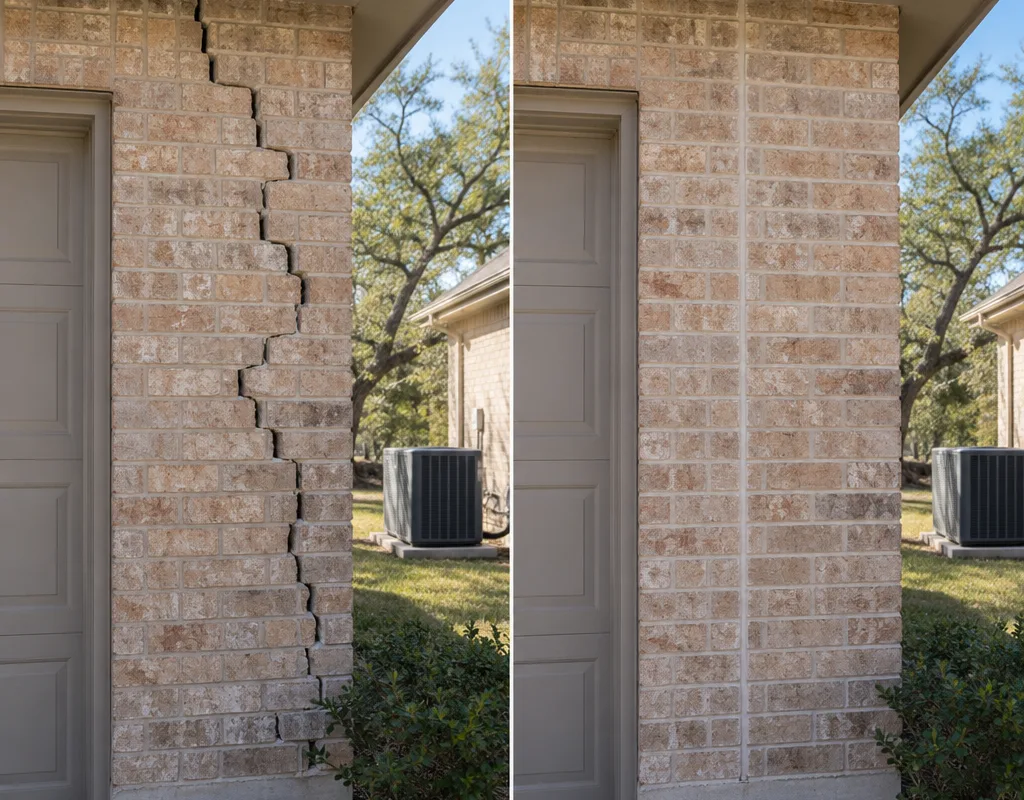
After the repair, we verify the outcome against the plan and discuss practical next steps, including drainage habits and monitoring.
“The first estimate we got was just a total number. Foundation Repairs Austin TX explained what each part of the scope was for and what would change the price. That made it easy to budget and compare.”
“They didn't push the biggest repair. We got options with costs and a clear explanation of what was likely causing the movement and what to watch for after the fix.”
They vary because the scope can range from a small crack repair to structural stabilization with multiple piers, and access conditions change the labor and equipment needs. Two homes on the same street can price differently if one has tight side-yard access, more flatwork to remove, or different measured elevation change.
For pier-based stabilization in Austin, pricing commonly lands in the mid-thousands to tens of thousands because cost scales with how many piers are required and how difficult the install is. The pier count, excavation depth, and whether concrete or landscaping limits access are usually the biggest cost drivers.
It can be accurate if it is based on on-site measurements and a written scope, not a quick visual guess. An estimate is most useful when it includes elevation readings, identifies the repair method, and lists what is included or excluded so you know what that number actually buys.
Not always, but plumbing evaluation is often recommended when symptoms suggest a potential leak or when movement is significant and near plumbing runs. If testing is advised, it should be stated in the scope so you can plan the budget and timing before repairs begin.
Yes, because moisture management work can be added to the project or completed separately, and it affects long-term performance. If the plan includes re-grading, downspout extensions, or drainage improvements, the estimate should separate those items so you can prioritize if needed.
Many repairs take one to a few days, but larger pier installations or projects with difficult access can take longer. Timeline affects price mainly through labor hours, equipment staging, and any concrete removal or restoration that must be done before the site can be returned to normal use.
Share what you are seeing and we will schedule an inspection in Austin to measure the issue, explain repair options, and provide a written scope with clear pricing ranges.