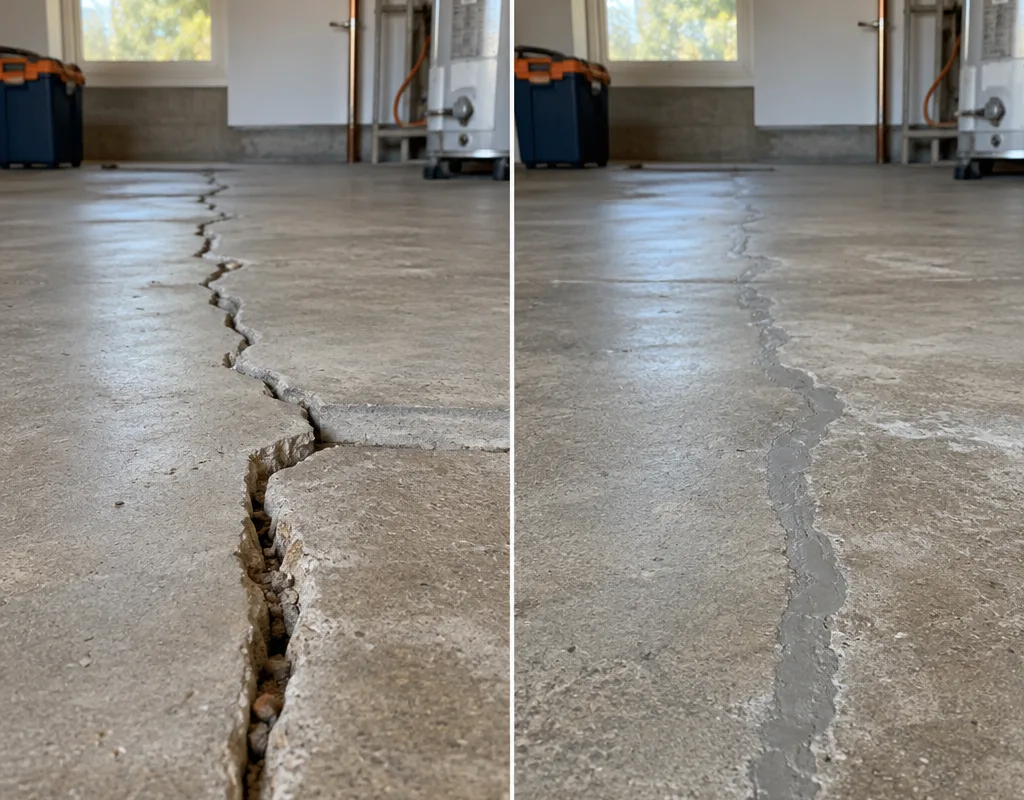
Settlement and differential movement
When one area drops more than another, you get sloped floors and diagonal cracking. Repair focuses on re-supporting the affected areas, not cosmetic patching.
Serving Austin, Texas & surrounding areas
Cracks, settling, and uneven slabs get worse when the underlying movement continues. We inspect, explain the cause in plain language, and deliver a repair plan that fits your foundation type and your property.
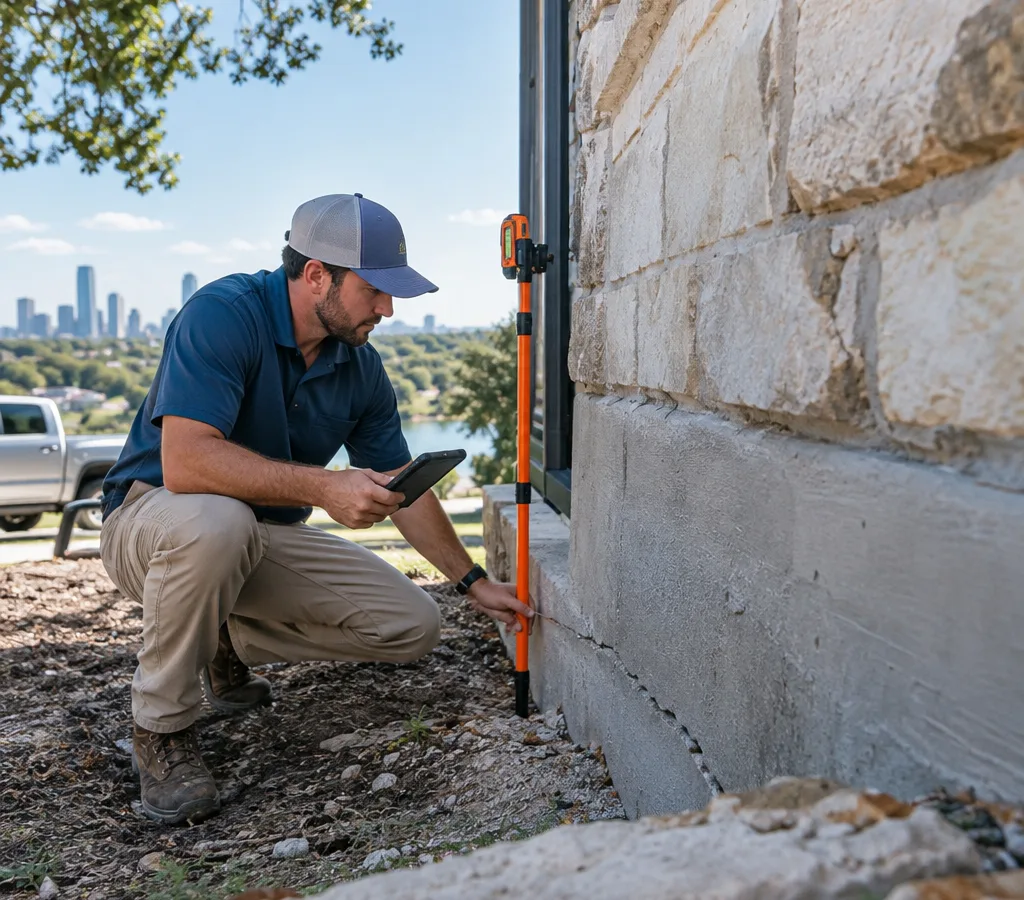
If you are searching for concrete foundation repair Austin TX, you are usually seeing a few early warning signs: step cracks in brick or drywall, doors that stick, sloped floors, gaps at baseboards, or concrete that has separated at a control joint. The goal is not to hide a crack. The goal is to stop the movement that created it, then restore support so the structure and slab stay where they belong.
At Foundation Repairs Austin TX, we start with a careful inspection and a written scope. You will get a clear explanation of what we found, what repair method matches the condition, and what work is optional versus necessary. We also plan the job so it is clean and controlled, with attention to access around landscaping, patios, and interior finishes.
Concrete foundations in the Austin area are commonly slab-on-grade, and slab movement often shows up as uneven interior floors, cracks that reopen after patching, and separations where the slab meets porches or garage slabs. Repair is about restoring load paths and bearing, then managing drainage and moisture conditions so the repair can last.
When one area drops more than another, you get sloped floors and diagonal cracking. Repair focuses on re-supporting the affected areas, not cosmetic patching.
Some cracking is expected in concrete, but cracks that widen, offset, or keep returning can signal loss of support or ongoing soil movement.
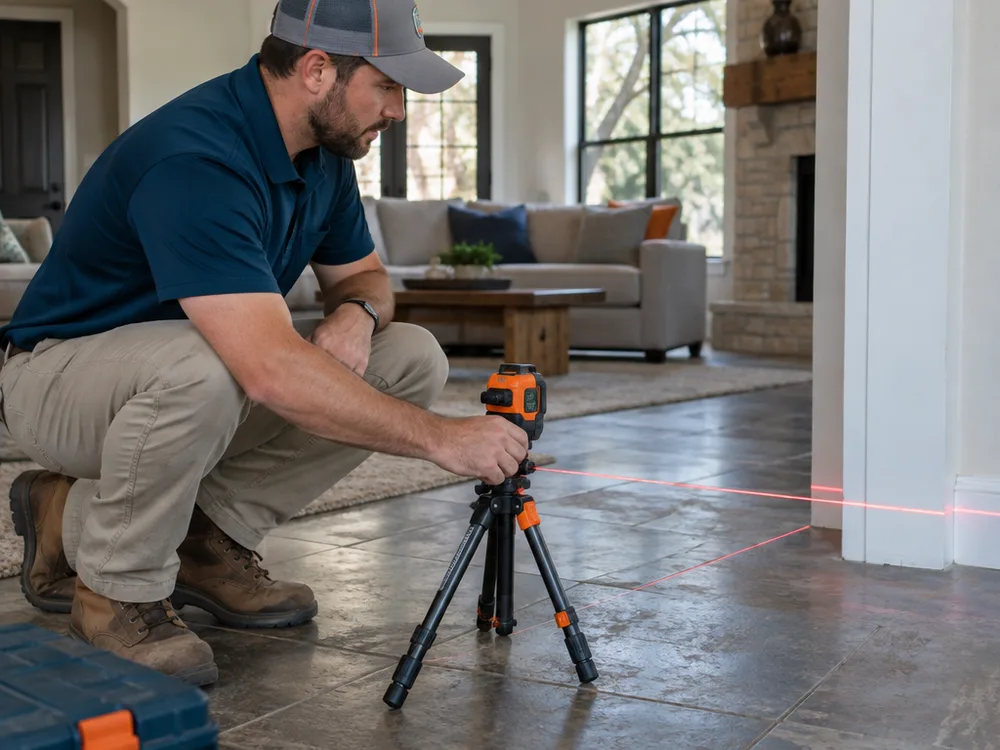
Low spots can come from slab movement or voids below the slab. We confirm elevation changes and recommend the right stabilization approach.
When the slab edge settles, exterior walls and brick veneer often show it first. The repair plan targets the perimeter support where loads are highest.
Poor drainage can soften or wash out support near the foundation. We flag runoff and grading issues that can shorten the life of any repair.
A reliable repair starts with a reliable diagnosis. During the visit, we look at symptoms inside and out, then verify them with measurements.
What we check and document:
Why this matters in Austin: foundations can react to changing ground moisture and drainage patterns. If the underlying moisture conditions are not addressed, a simple crack repair can fail. When it makes sense, we will recommend practical corrections like directing roof runoff away from the foundation and improving surface drainage so the repaired areas stay stable.
If you are still deciding who to hire, start with a team that can explain the plan and the tradeoffs, not just the price. Our work is part of broader foundation repair in Austin TX projects, so we are used to tying the repair approach to the structure, the site, and the long-term condition.
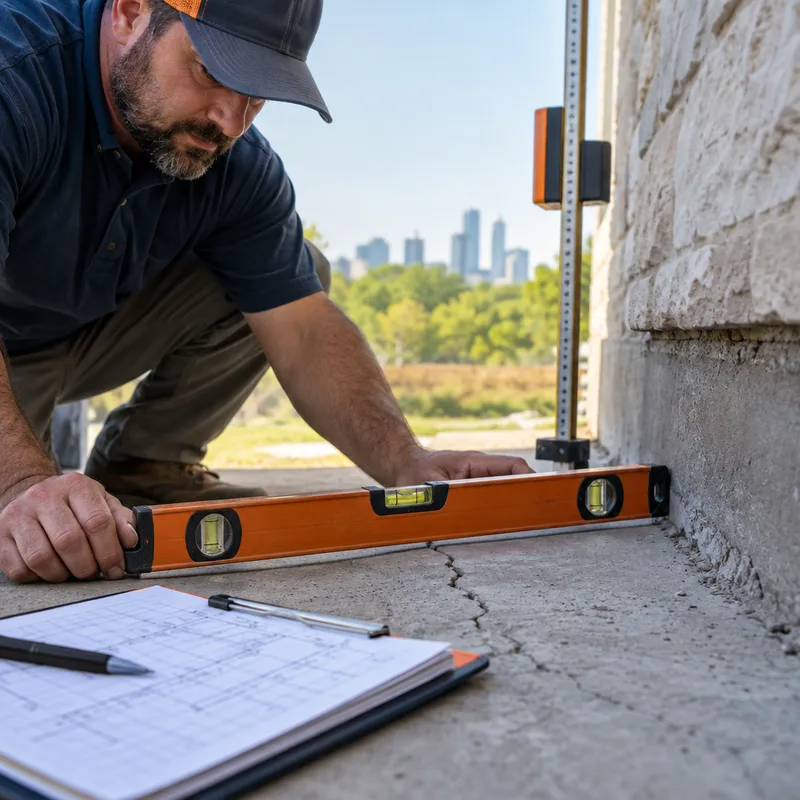
The right method depends on what is moving and why. After inspection, we recommend the least disruptive approach that stabilizes the structure.
Common repair categories include:
You will get a written scope that matches the observed conditions. If there are multiple viable options, we will explain what changes between them, including disruption, sequencing, and what each option does and does not solve.
Concrete foundation repair in Austin typically ranges from about $2,500 to $15,000+, with small stabilization or targeted crack work on the lower end and larger underpinning scopes at the higher end. Many projects land in the middle once the repair is sized to the measured movement and access conditions.
Your final price depends on the repair method, how many support points are needed, access around the perimeter, whether interior work is required, and whether drainage corrections are included. The exact cost is confirmed after the on-site inspection and written scope.
A measured process takes the project from diagnosis and written scope through stabilization, cleanup, and practical next steps.
We review symptoms, measure elevations, and look for contributing conditions like drainage and erosion near the slab edge.
You receive a clear scope that matches what we found, with options when appropriate so you can choose the right level of repair.
If permitting applies to your scope, we coordinate it and schedule the work around access needs, pets, and any interior protection.
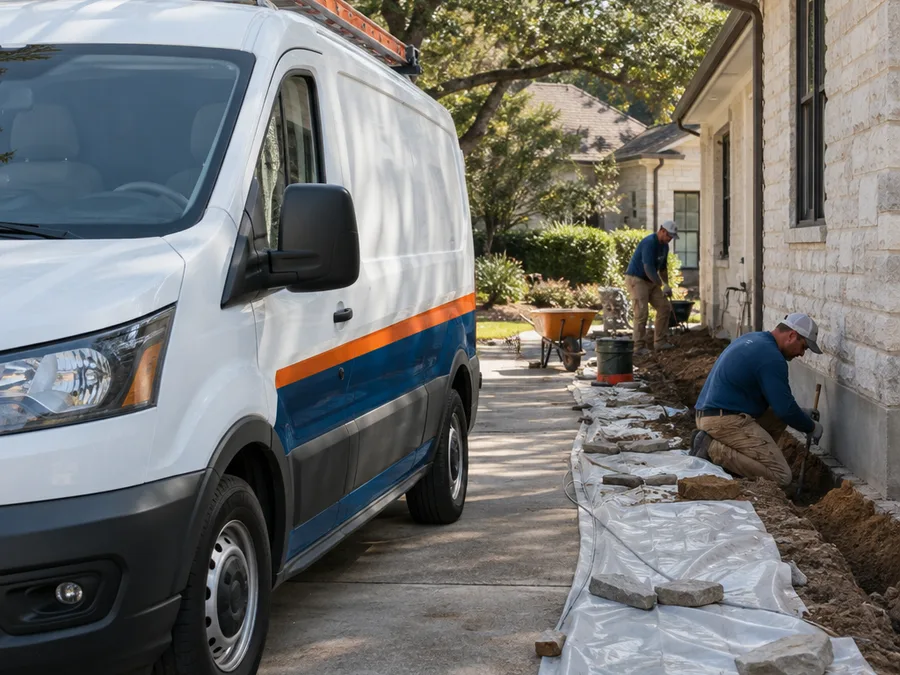
We complete the agreed repair method with controlled excavation or access points, then verify the work against the plan.
We leave the work area tidy and walk you through what to monitor, including drainage habits that help the repair hold up over time.
No. Hairline cracks can be normal in concrete, especially along control joints, but cracks that widen, show vertical offset, or keep returning after patching are worth an inspection. In Austin, we often see cracks become a problem when there is movement or loss of support under part of the slab, which is confirmed by elevation readings and crack patterns.
Many repairs take 1 to 3 days on site, depending on access and the number of support points or stabilization areas. Larger underpinning scopes or projects that need permitting and inspection steps can take longer, mostly because of scheduling and cure times rather than nonstop labor.
Stabilizing the foundation often improves sticking doors and floor slope, but the outcome depends on how much movement occurred and how the structure settled over time. Our scope separates structural stabilization from follow-up items like minor carpentry or drywall touch-ups so you know what is included and what may be separate.
Sometimes. Permit requirements depend on the type and extent of the structural work, and the safest approach is to confirm requirements for your exact scope. If permitting applies, we handle the coordination as part of the project planning so the work aligns with local expectations.
Keep water away from the foundation by making sure gutters are functioning and downspouts discharge away from the slab, and avoid soaking soil right along the perimeter. Also, note when doors start sticking or cracks change, and take a few photos from the same angle so we can compare conditions during the inspection.
Yes, but the right approach depends on whether the slab is structurally tied to the home's foundation and whether it is moving independently. We inspect the separation points, check elevations, and recommend a repair that stabilizes the problem area without transferring stress back into the main foundation.
Tell us what you are seeing and when it started. Foundation Repairs Austin TX will confirm the cause, outline the repair options, and provide a written scope you can make decisions from.