Interior and exterior symptoms
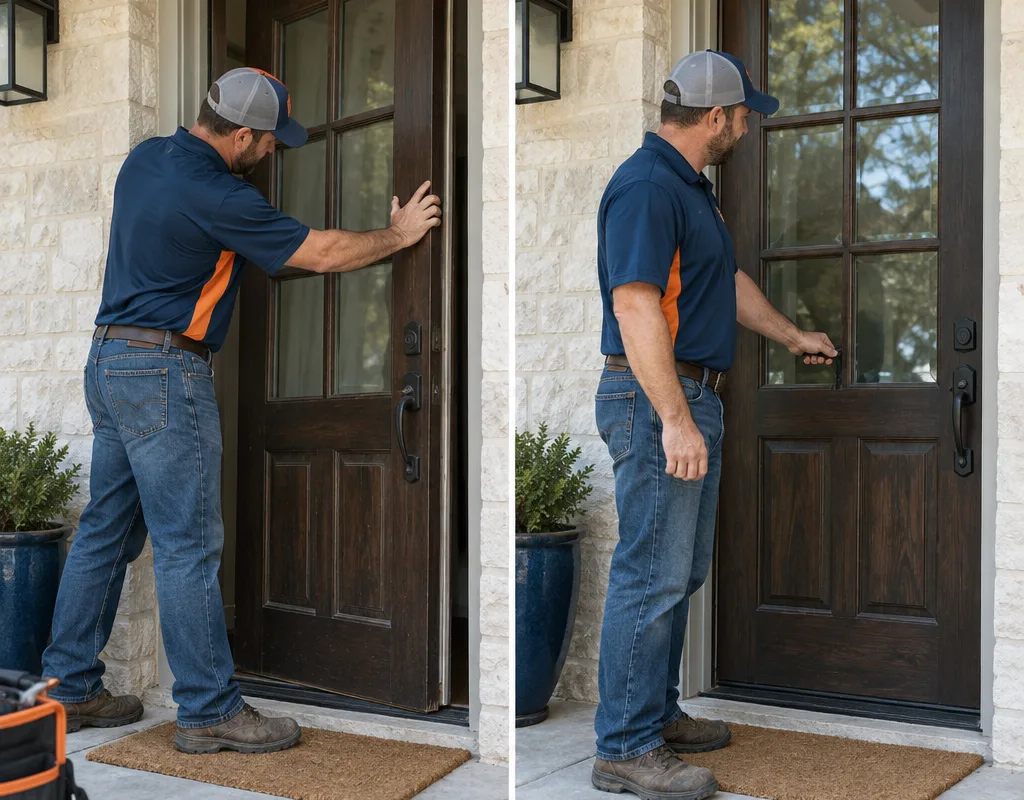
We look at cracks in drywall and brick, door and window operation, floor slope, and separation at trim or cabinets, then connect those symptoms back to likely movement locations.
Serving Austin, Texas & surrounding areas
If your floors feel uneven or you're seeing new cracks, get a clear, written plan from a local team that works on Austin foundations every week, with repair options matched to your home and lot conditions.
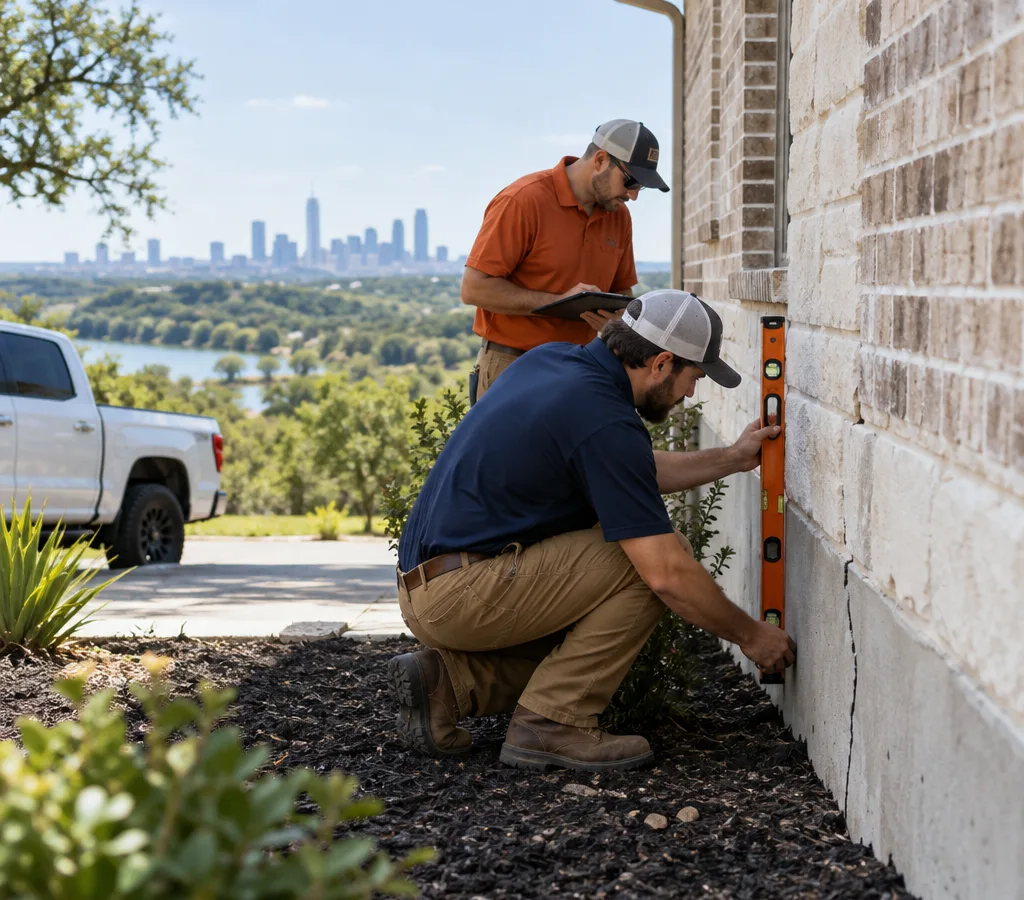
Searching for a foundation company Austin homeowners can rely on usually means you want two things: a correct diagnosis and a repair that lasts. That starts with careful measurement and documentation, not a one-size-fits-all recommendation.
Foundation Repairs Austin TX helps owners compare repair paths based on what's actually happening at the home: movement patterns, drainage and water management, access around the perimeter, and how the structure is built—slab-on-grade versus pier-and-beam. We work in Austin, TX 73301 and surrounding areas, and we keep the conversation practical: what we found, what it means, and what your options are.
If you want a general overview of what foundation repair looks like across the area, foundation repair in Austin TX is a helpful starting point before you schedule an inspection.
We look at cracks in drywall and brick, door and window operation, floor slope, and separation at trim or cabinets, then connect those symptoms back to likely movement locations.
A real plan starts with measurements and a written scope. You should be able to understand where movement appears and what repair locations are being proposed.
Gutters, downspout discharge, grading, and areas that stay wet matter in Austin because moisture changes can drive soil movement and affect performance of repairs over time.
Tight side yards, hardscapes, landscaping, and utility lines can change the safest repair approach and the cost. A good scope calls these out up front.
Foundation stabilization is different from cosmetic patching. The right company explains what the foundation work corrects, what follow-on trades might be needed, and what to monitor after repair.
Austin homes are built on a mix of foundation types, and repair methods vary based on structure, access, and movement. During your inspection, you should hear the repair method described in plain language, along with where it would be installed and why.
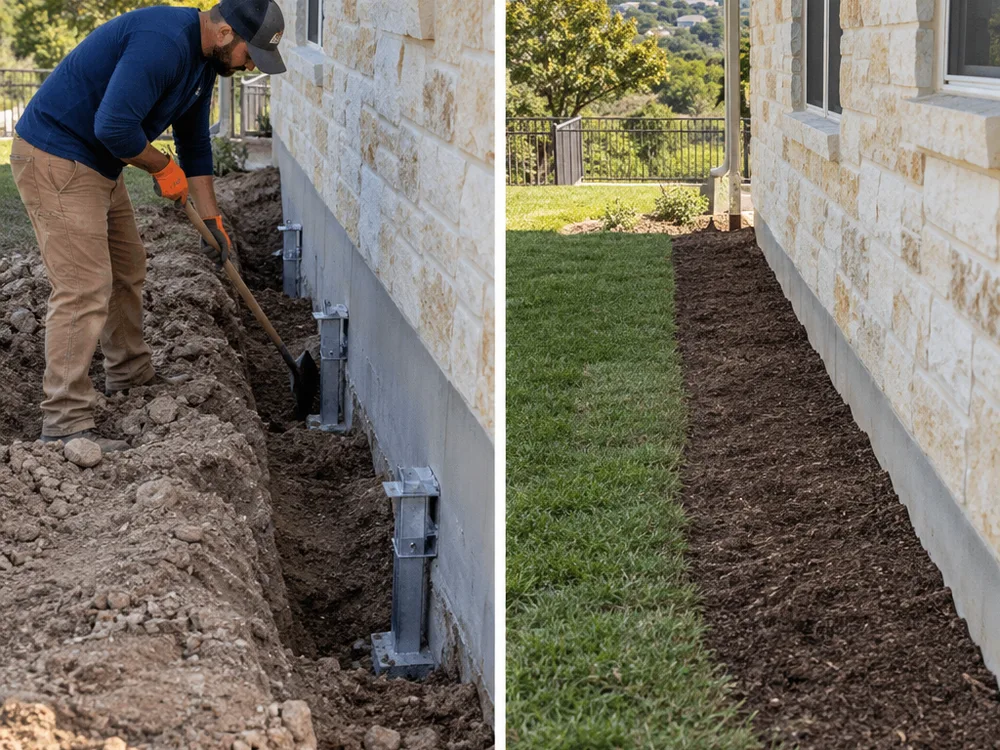
For slab foundations, stabilization often involves installing piers at specific points along the perimeter or under load-bearing areas. For pier-and-beam homes, work may involve adjusting or replacing supports, addressing damaged or inadequate components, and correcting moisture issues in the crawlspace.
It's also normal for a foundation company to discuss related conditions that can affect long-term performance, such as drainage improvements, downspout extensions, and controlling water near the perimeter. Those items may be outside the foundation scope, but they are still part of getting stable results.
If you are comparing foundation companies Austin homeowners recommend, ask each one to explain the method they propose, what access is required, and what you should expect to change immediately—stabilization—versus over time, including minor cosmetic settling or interior finish repairs.
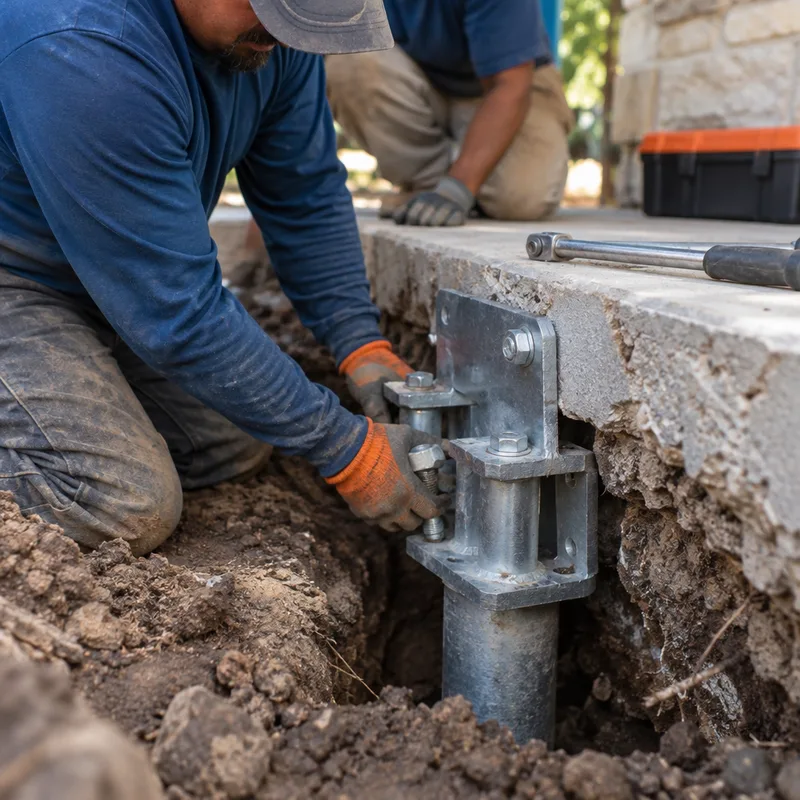
From initial measurements through the final walkthrough, each step is documented so you understand the conditions, the approved scope, and what happens next.
We set a time to inspect the interior and exterior, note symptoms, and talk through what you've observed, including when cracks started, seasonal changes, and recent drainage changes.
We take elevation readings and record the conditions that matter for repair planning: access, perimeter clearance, and water management around the foundation.
You get a clear explanation of recommended repair locations and the method, plus alternatives when they make sense for your home and budget.
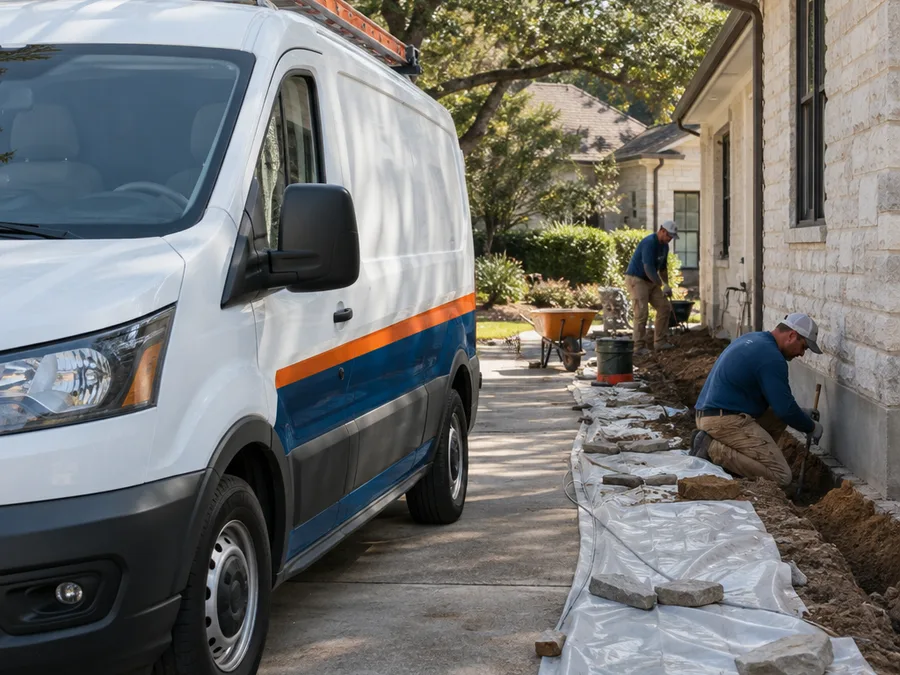
The crew completes the approved scope, coordinating excavation and access carefully to limit disruption and keep the work area safe.
We review what was done, what to monitor, and what follow-up items can help protect the repair, such as managing runoff near the foundation.
Most foundation repair projects in Austin typically range from about $3,500 to $15,000+, with smaller stabilization scopes sometimes landing lower and major structural work running higher. A limited pier installation for a localized problem often costs less than a full perimeter plan or a complex pier-and-beam correction.
Your final price depends on the foundation type, how many support points are needed, access for excavation, soil and moisture conditions around the home, and whether interior work is required. The exact cost is confirmed after an on-site inspection and a written scope.
If you're deciding between foundation repair companies in Austin, Texas, start with an evaluation that gives you measurements, a written scope, and repair options you can compare line by line.
Compare them by the quality of the inspection and the clarity of the written scope, not by the shortest explanation. Ask what measurements were taken, where support points would be placed, what access is required, and what follow-up items, like drainage control, are recommended to protect the repair.
You should schedule an evaluation when you see new or widening cracks, doors that suddenly stick, noticeable floor slope, gaps at trim or cabinets, or separation in exterior brick or stone. In the Austin area, changes after heavy rain or long dry stretches are also worth noting because moisture swings can affect movement.
Many do, and they should explain why a specific method fits your foundation type and movement pattern. For example, slab foundations often use piers for stabilization, while pier-and-beam homes may need support adjustments, component replacement, or crawlspace moisture corrections depending on what's failing.
Many repairs take a few days once work starts, but the timeline depends on scope, access, and weather. A small stabilization scope may be quick, while larger plans with more support points, tight access, or additional structural work take longer and require more coordination.
Foundation stabilization addresses the underlying movement, but cosmetic items often need separate repairs after the structure is stabilized. Doors and windows may improve, but drywall cracks, trim gaps, and brick repairs are usually handled after the foundation work so you're not patching finishes that may shift again.
Yes, and it's smart as long as you compare scopes that are truly comparable. Make sure each bid lists the repair method, the number and location of supports, what is included for access and cleanup, and any exclusions that could turn into add-ons later.
Share what you're seeing at the home, and we'll schedule an on-site evaluation. You'll get straightforward findings, repair options that fit the structure, and a written scope you can use to make a confident decision.