
Epoxy injection (structural)
Used to bond concrete back together when the crack is clean and dry enough for adhesion, and when restoring strength is the priority.
Serving Austin, Texas & surrounding areas
Get a clear diagnosis, a written repair plan, and workmanship you can trust, from the first inspection through the final seal and cleanup.
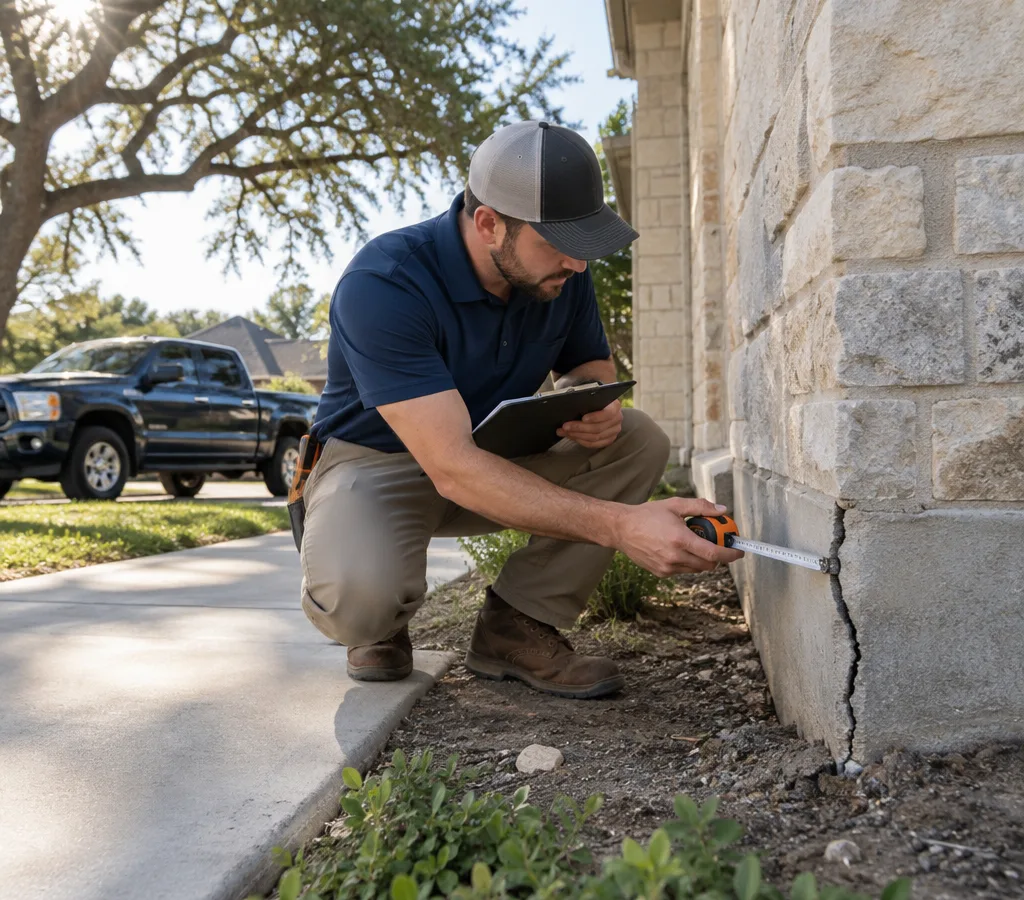
If you are searching for foundation crack repair Austin homeowners can rely on, the first step is figuring out what the crack is telling you. Some cracks are cosmetic shrinkage in concrete. Others are signs of movement, water intrusion, or stress that will keep widening if you only patch the surface.
Foundation Repairs Austin TX focuses on crack repairs that match the cause. We start with a hands-on assessment, document crack locations and patterns, and check the surrounding conditions that commonly affect homes around Austin: hot summers that dry out soils, intense rain events that can quickly saturate the ground, and drainage that can concentrate water along one side of the house. The goal is to stop the pathway for water, stabilize what needs stabilizing, and leave you with a repair that holds up.
A crack repair is only as good as the preparation. We take the time to clean, profile, and seal correctly, and when structural reinforcement is needed, we specify the right method for the crack type and location. If you want a broader view of structural concerns and repair options beyond cracks, our team also handles foundation repair in Austin and can explain how crack repair fits into the overall plan for your home.
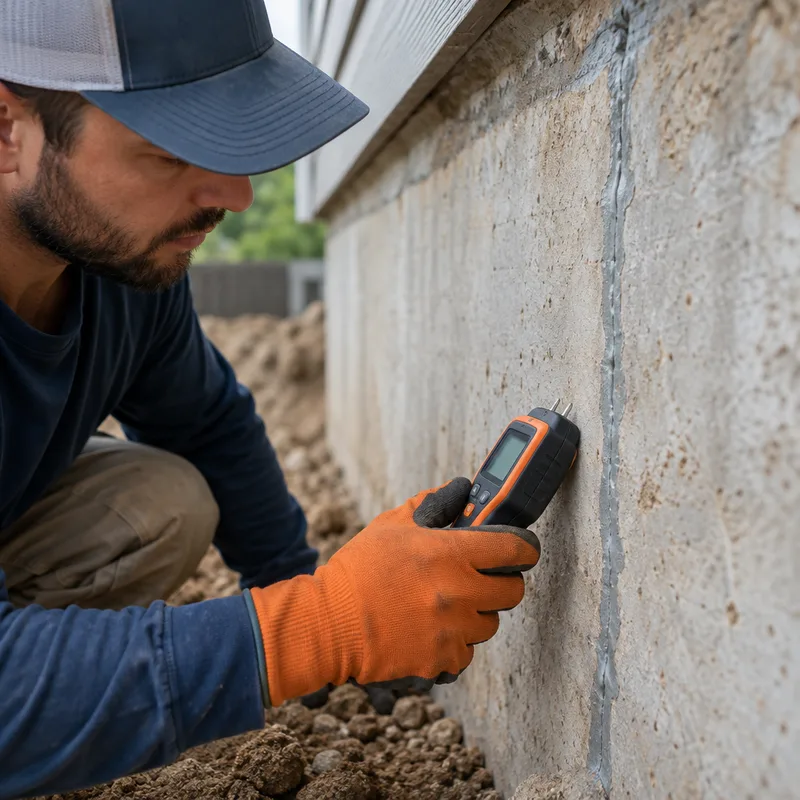
During a foundation crack repair assessment, we look at crack shape, location, and whether the crack shows ongoing movement.
Common patterns we evaluate:
We also check conditions that can make cracks worse in the Austin area:
The result is a repair recommendation that matches the crack, not a one-size-fits-all patch.
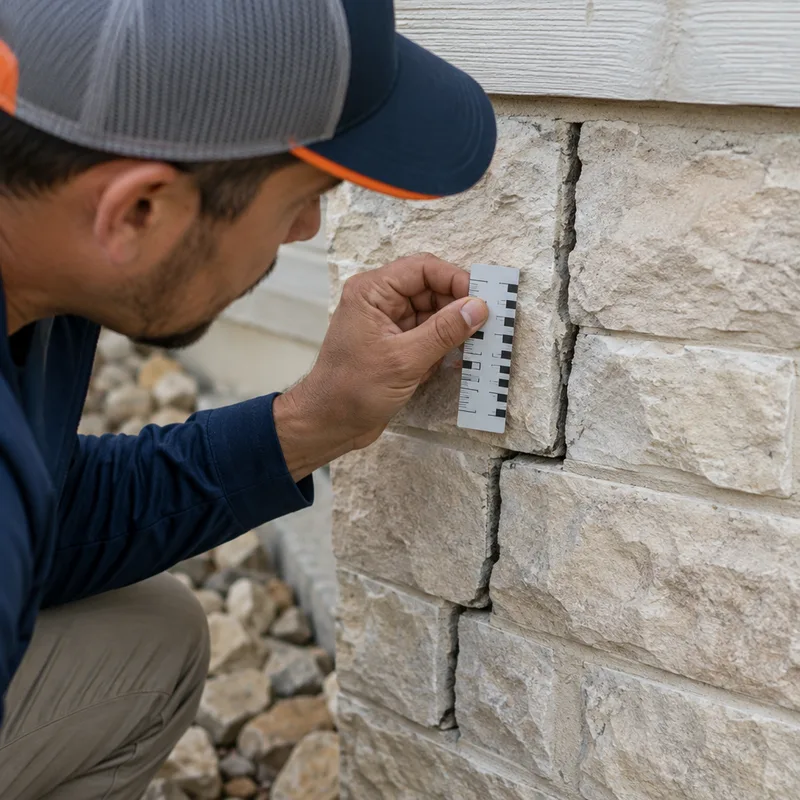
Used to bond concrete back together when the crack is clean and dry enough for adhesion, and when restoring strength is the priority.
Used to seal active leaks or damp cracks. The material expands to fill voids and helps block water pathways.
A controlled grind and seal approach for appropriate cracks where a durable surface seal is needed after proper prep.
When cracking is tied to ongoing stress, reinforcement can help control movement. We only recommend it when the conditions call for it.
Some “crack” problems are actually at cold joints or penetrations. Sealing those correctly can stop recurring moisture without chasing the wrong issue.
A careful sequence connects the visible crack to its cause, prepares the repair correctly, and leaves you with clear maintenance guidance.
We inspect the crack(s), measure and photograph key areas, and look for related symptoms like sticking doors, separated trim, or moisture staining.
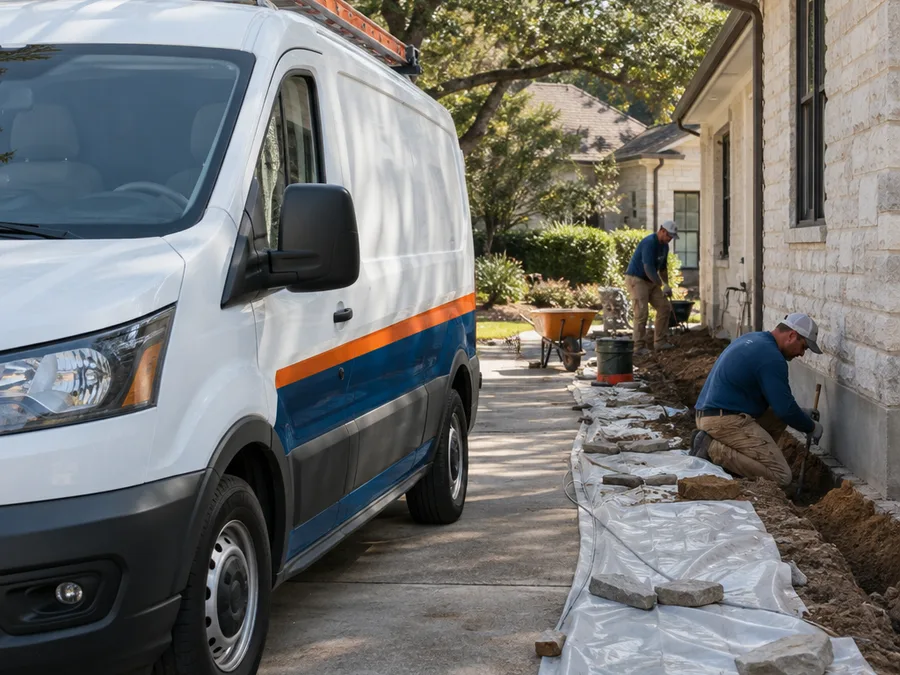
We evaluate drainage, grading, and water sources near the foundation line, because crack repair lasts longer when water is managed correctly.
You receive a clear plan that names the method, the prep steps, and what the repair is designed to accomplish: seal, bond, reinforce, or a combination.
We protect nearby finishes, clean and prepare the crack properly, and set up injection ports or routing as needed for the chosen method.
We complete the crack repair, allow for cure time where required, and finish the surface so it is neat and durable.
We review what was done, what to watch for, and practical maintenance steps that help keep conditions stable around the home.
Foundation crack repair in Austin typically ranges from about $450 to $2,500 for many residential crack sealing or injection projects, with larger structural cracks, multiple crack lines, or reinforcement work sometimes running $3,000 to $8,000+.
Your final price depends on crack length and width, whether the crack is actively leaking, access (interior vs. exterior, crawl space constraints), surface prep needs, and whether the crack is a symptom of movement that requires stabilization beyond sealing. Exact pricing is confirmed after an on-site assessment so the scope matches what your foundation actually needs.
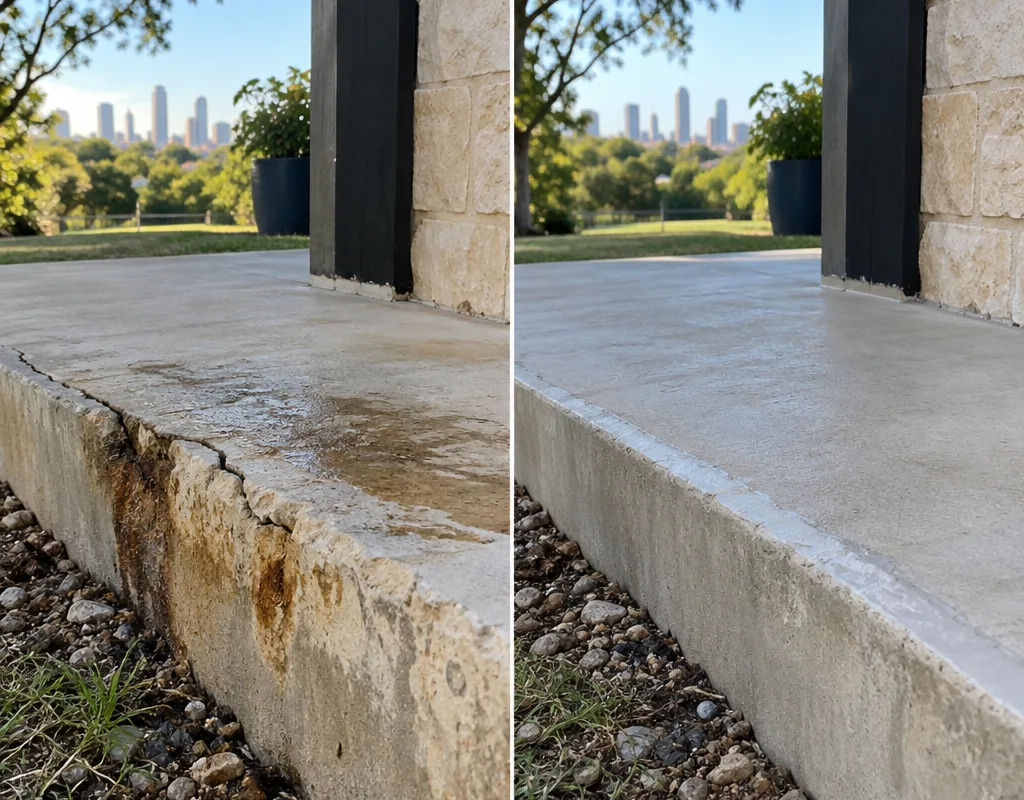
If you have a crack that is widening, leaking, or showing new staining, schedule an assessment before seasonal rain or watering cycles make the problem harder to pinpoint.
A crack is more likely to need professional attention if it is widening, shows offset (one side higher than the other), leaks during rain or irrigation, or is paired with symptoms like sticking doors or stair-step cracking in brick. In Austin, we also pay close attention to moisture patterns and drainage because water movement around the perimeter can turn a small crack into a recurring problem.
Many cracks can be repaired from the inside using injection methods when access is safe and the crack path is reachable. Exterior access may be recommended when the crack is best treated at the source of water entry, when finishes inside cannot be disturbed, or when the crack location is easier to prep from the outside.
For hairline, non-moving surface cracks, a basic filler can improve appearance, but it often does not stop water migration or address movement. If the crack is active, damp, or returning after patching, a professional repair that includes proper prep and the right material (epoxy vs. polyurethane) is usually the better long-term choice.
A properly selected and installed water-stopping repair can stop leaks, but results depend on where the water is coming from and whether hydrostatic pressure or surface runoff is involved. We typically pair crack repair recommendations with practical drainage observations, because managing water at the perimeter often determines whether a repair stays dry through Austin downpours.
Many single-crack repairs can be completed in a few hours, while multiple cracks or repairs requiring special prep, drying time, or reinforcement may take longer. We will confirm timing during the assessment based on access, material cure requirements, and any steps needed to protect interior finishes.
Warranty options depend on the repair method and the conditions at the crack location, such as moisture activity and access for prep. We explain warranty terms in writing with the scope so you know what is covered and what maintenance factors, like drainage and watering habits, can affect long-term performance.
Tell us where the crack is, what you have noticed (leaks, widening, sticking doors), and when it started. We will assess the crack in person and provide a written scope with straightforward options for repair.